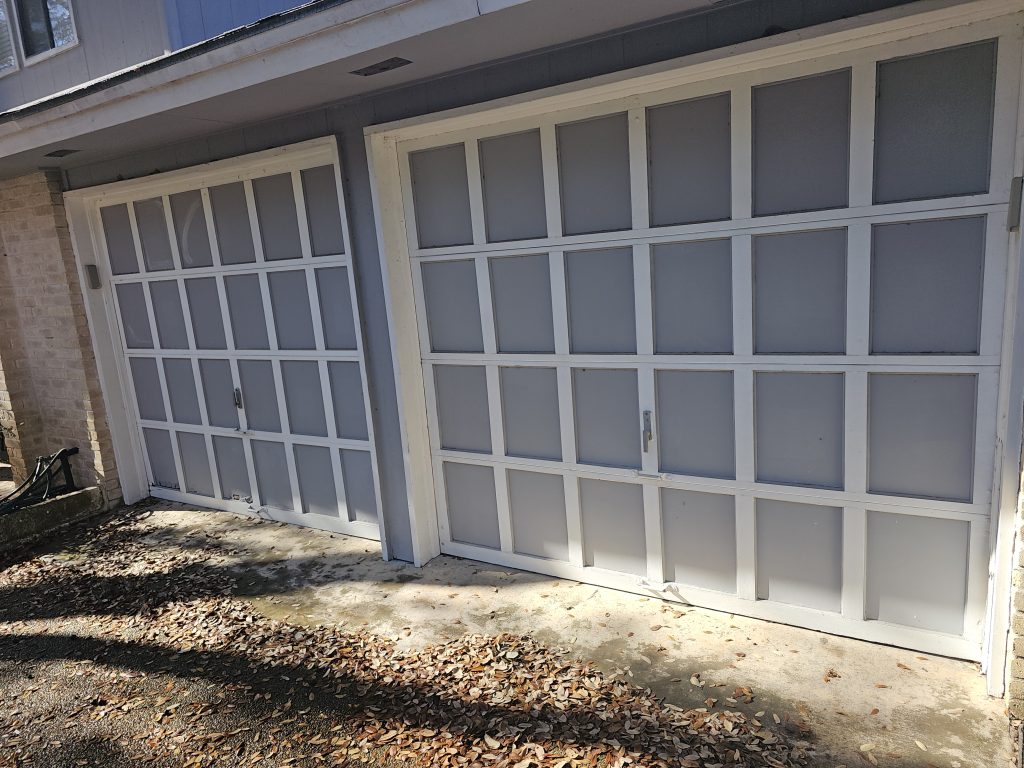
Direct Answer: Multi-panel wooden garage doors require regular inspection for moisture absorption, panel warping, and track alignment. Because multi-pane wooden doors are significantly heavier than standard steel doors, proper spring counterbalance and roller health are critical. Routine professional maintenance ensures balanced travel, hardware longevity, and prevents dangerous motor or spring failure.
SAFETY WARNING: Multi-panel wooden garage doors are extremely heavy and rely on high-tension counterbalance spring systems. Never attempt to adjust, replace, or release garage door springs, lift cables, or bottom brackets yourself. Working on high-tension components without professional tools and training can cause severe injury or fatal crushing accidents. Always consult a certified technician.
Understanding Multi-Panel Garage Door Dynamics
Traditional multi-grid panel doors offer timeless architectural curb appeal, but their intricate construction introduces unique mechanical considerations. Built with numerous joint lines, structural stiles, and individual panels, these doors are prone to environmental wear from rain, humidity, and temperature fluctuations. Added moisture increases door weight dramatically, putting immense stress on the torsion springs, opener carriage, and tracking system.
Causes vs. Solutions Comparison
| Issue Observed | Underlying Cause | Recommended Solution |
|---|---|---|
| Door sticks or binds during travel | Wood expansion, frame shifting, or track misalignment | Professional track realignment and wood resealing |
| Opener strains or reverses | Weight gain from moisture or worn counterbalance springs | Certified spring tension rebalancing or upgrade |
| Sagging sections or gaps | Hardware fatigue, loose hinges, or wood rot | Hinge tightening, strut reinforcement, or panel restoration |
| Excessive squeaking or grinding | Dry hinge pivots, worn steel rollers, or lack of lubrication | Silicone-based lubrication and heavy-duty roller replacement |
Visual Troubleshooting Checklist for Homeowners
While mechanical adjustments require certified expertise, homeowners can perform safe visual checks:
- Inspect Panel Integrity: Check bottom panels and outer stiles for signs of wood rot, flaking paint, or water penetration.
- Check Perimeter Seals: Ensure weatherstripping along the jambs and bottom astragal forms a tight seal to block moisture and debris.
- Listen to Movement: Grating noises or jerking motions suggest worn rollers, bent tracks, or improper spring counterbalance.
- Examine Hinges and Handles: Look for loose surface hardware, worn center lift handles, or oxidized latches that could compromise structural rigidity.
Why Heavy Panel Systems Require Professional Care
Because solid wood and custom multi-panel assemblies exert substantial downward force, proper calibration of the torsion assembly is essential. A door that is out of balance by even a few pounds can burn out your electric opener gear system or cause a dangerous derailment. Professional technicians possess the winding bars, calibrated gauges, and safety equipment needed to safely balance, tune, and secure heavy panel doors.