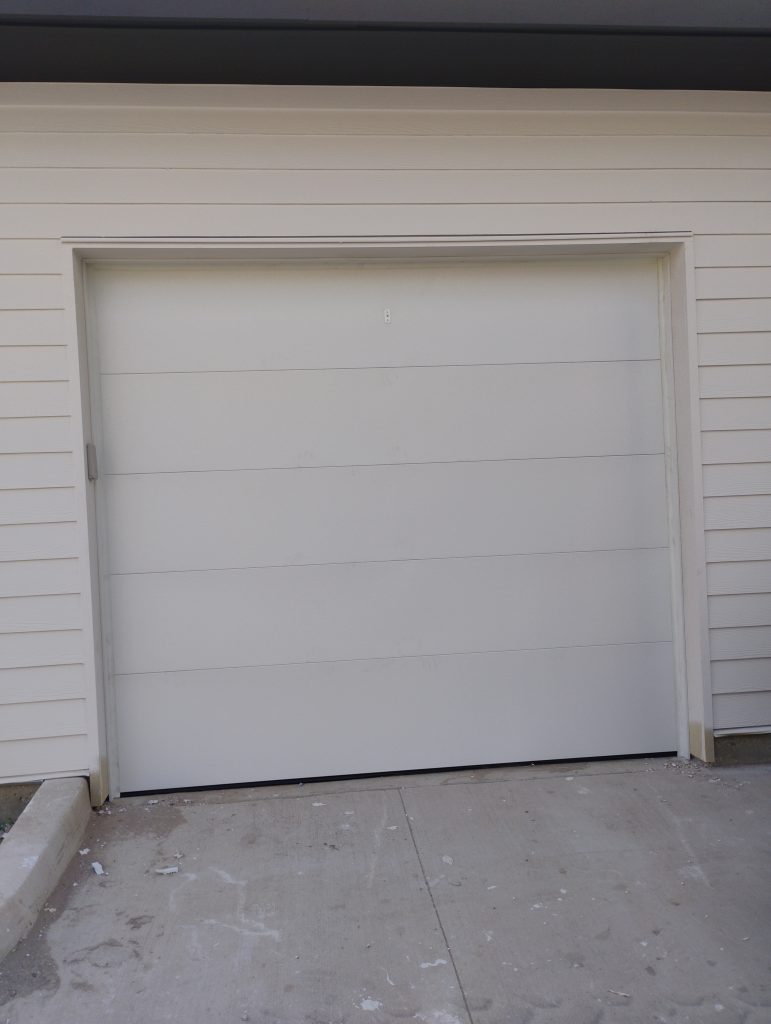
A small keyhole in the top panel of your garage door houses an exterior emergency release disconnect lock. Connected via an internal steel cable to your automatic opener’s trolley carriage, turning the key pulls the disconnect pin, allowing you to disengage the opener and manually lift the door during a power outage.
Safety Warning: Garage doors are heavy, balanced assemblies under extreme spring tension. Never pull an emergency disconnect release while the door is partially open, as a weak, broken, or improperly balanced spring can cause the door to crash down with lethal force. All spring, cable, and heavy balance adjustments must be performed by a trained professional garage door technician.
How an Exterior Emergency Release Lock Operates
Modern homes with attached or detached garages often feature sleek, flush-panel garage doors without exterior handles. When the garage lacks a separate pedestrian side door or exterior window entry, an electric power failure can leave you completely locked out. In these architectural layouts, building codes and practical safety require an exterior emergency vault release.
The keyed lock cylinder mounted into the top section penetrates the panel. On the garage’s interior, a durable braided steel cable connects from the back of this lock cylinder directly to the emergency release lever on the motor’s carriage rail. When you insert and turn the key, the entire lock tumbler pulls outward, tensioning the cable and releasing the carriage trolley. This decouples the door from the electric motor screw, belt, or chain, enabling manual lifting from the exterior.
Causes vs. Solutions for Exterior Key Release Malfunctions
Because these locks sit exposed to weather and seasonal temperature shifts, they require periodic inspection to ensure they operate reliably during an emergency.
| Symptom / Cause | Underlying Issue | Professional Solution |
|---|---|---|
| Key turns but does not release door | Detached, broken, or stretched release cable inside | Reattach or replace internal stainless release cable with proper slack tolerance. |
| Key cannot be inserted or turned | Corrosion, road grit, or frozen water inside the cylinder | Flush cylinder with dry graphite or silicone-based lock lubricant; never use gummy grease. |
| Trolley disengages but door will not lift | Broken counter-balance torsion spring or binding rollers | Have a certified technician inspect the torsion assembly; do not force the door open. |
| Door will not re-lock to opener motor | Carriage release lever stuck in manual-lockout position | Cycle the opener trolley forward to re-engage the spring-loaded carriage arm. |
Troubleshooting and Maintenance Checklist
To ensure your manual vault release functions when an unexpected blackout strikes, verify the following points twice a year:
- Test Lock Mechanism: Insert your key and turn the tumbler gently. The cylinder should slide outward smoothly without excessive resistance.
- Inspect Cable Tension: From inside the garage, check that the steel cable runs straight from the lock barrel to the release arm with a slight amount of slack to prevent accidental disengagement during normal opener cycling.
- Lubricate Lock Tumblers: Apply a small puff of dry powdered graphite into the keyway before winter freezes can lock the tumbler pins in place.
- Verify Spring Balance: With the door safely disconnected and fully closed, lift it manually halfway. A balanced door should hold its position effortlessly. If it feels heavy or drops, call a professional immediately.
If your exterior disconnect fails to pull the trolley or your door feels excessively heavy to lift manually, contact a certified garage door service company to inspect the release assembly and spring counter-balance system.