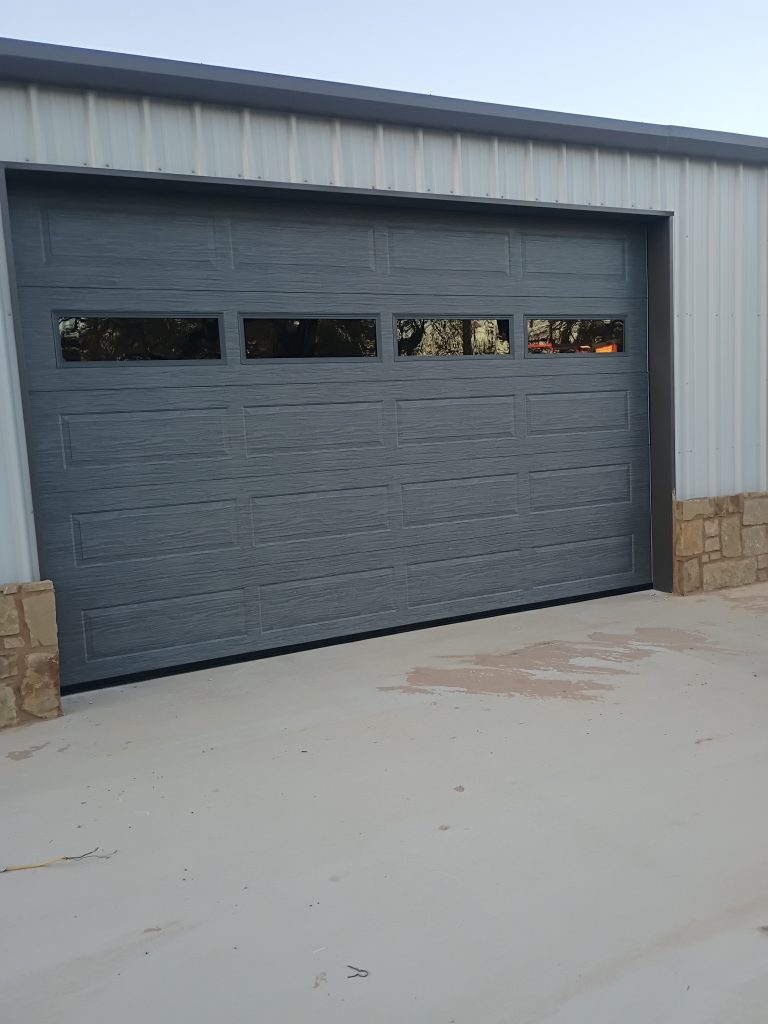
Direct Answer: Cold air and dust leak around garage doors on metal buildings when exterior perimeter jamb seals fail to create a continuous seal against corrugated siding or shifting steel framing. Temperature fluctuations cause metal structures to expand and contract, pulling standard vinyl flap seals away from the door face and permitting outside elements to enter.
SAFETY WARNING: Sectional overhead doors installed on metal buildings operate under extreme torsion spring tension and weigh hundreds of pounds. Never attempt to loosen track brackets, alter bottom bracket fixtures, or adjust counterbalanced springs to close perimeter gaps. High-tension components can release with lethal force; always hire a certified technician for structural and track adjustments.
Why Metal Buildings Present Unique Perimeter Sealing Challenges
Metal buildings, pole barns, and steel workshops behave differently than traditional wood-framed garages. Steel framing expands and contracts rapidly with ambient temperature changes. When a sectional overhead door is mounted against steel jambs or corrugated metal panels, gaps frequently develop along the top header and side jambs.
Additionally, modern architecture often pairs corrugated metal siding with masonry or stone wainscoting at the foundation. Where the wall material changes, the mounting plane often shifts slightly. If the perimeter weatherstripping is not specifically configured to adapt to these surface transitions, wind, dust, pests, and moisture easily bypass the outer seal.
Causes vs. Solutions for Drafts on Metal Building Garage Doors
Resolving draft issues on steel buildings requires addressing the interface between the door track, the jamb trim, and the building skin. Here is how common installation issues compare to professional remedies:
| Observed Cause | Impact on Performance | Professional Solution |
|---|---|---|
| Corrugated Siding Profile Gaps | Air and driven rain enter behind the exterior trim where ribs create voids. | Install fitted foam closure strips and custom commercial steel trim flashing before attaching weatherstripping. |
| Brittle or Stiff Vinyl Flap Seals | Standard vinyl hardens in cold weather, pulling away from door panels during wind loads. | Upgrade to commercial dual-durometer EPDM rubber seals that stay flexible down to sub-zero temperatures. |
| Track Setback Too Far from Jamb | The door sits too far inward, leaving a persistent 1/4-inch to 1/2-inch air gap along the sides. | Have a technician adjust track bracket depth and roller carrier spacing to seat the door snugly against the seal without binding. |
| Uneven Floor-to-Jamb Transition | Dust and runoff bypass bottom corners where concrete meets stone or steel base trim. | Install an extended-depth heavy-duty rubber bottom astronomical seal paired with an aluminum threshold retainer. |
Perimeter Draft Troubleshooting Checklist
Homeowners and shop managers can safely diagnose the root cause of edge leaks using this inspection process:
- Perform a Daylight Check: Close the door fully during peak daylight, turn off the interior lights, and walk the perimeter. Look for slivers of light along the vertical jambs, especially where metal siding transitions to stone veneer.
- Inspect the Flap Contact: Push gently against the exterior face of each panel. The weatherstripping should stay compressed against the panel face without opening a gap.
- Examine the Bottom Corners: Check the bottom rubber seal near the lower track corners. Light entering here usually indicates that the bottom seal is pinched or the vertical track is mounted slightly out of plumb.
- Feel for Seal Flexibility: On cold mornings, touch the jamb seal. If it feels rigid, plasticized, or cracked, it can no longer flex with normal building deflection or wind pressure.
The Importance of Professional Track and Door Alignment
Correcting perimeter gaps on a metal building is rarely as simple as sliding the weatherstripping closer to the door. Moving a seal too tight creates severe friction against the panels, causing the electric opener to trigger its auto-reverse safety mechanism or burning out the motor. A trained garage door technician balances track standoff, roller depth, and spring tension so the door seals tightly when closed while gliding freely during operation.